

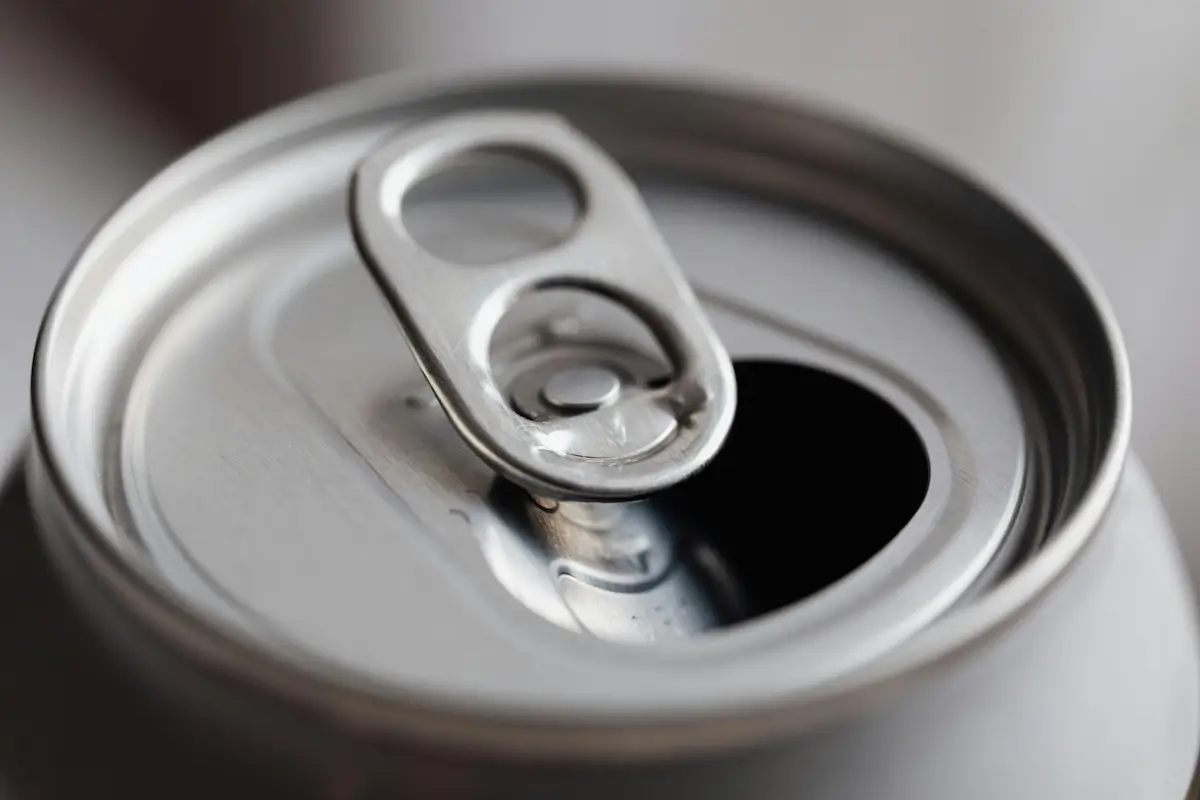
It’s commonly known that normal soda is full of sugar. One can of a sugary drink like Coca-Cola has 39 grams of sugar in it, which is about 10 teaspoons. Compared to diet sodas, sugary drinks and other sugar-sweetened beverages have a significant impact on glycemic control, increase health risks such as weight gain and metabolic syndrome, and are strongly linked to the development of type 2 diabetes. Sugar-conscious people often turn to diet sodas to scratch the itch for a refreshing beverage without all the added sugar, but are diet sodas safe for people with diabetes?
If you have diabetes and are concerned about whether it’s safe for you to drink diet soda, here is everything you need to know about how artificial sweeteners can affect blood sugar and your body so you can manage your diabetes.
Key Takeaways
- Diet sodas use artificial sweeteners instead of sugar, making them a lower-calorie alternative to regular sodas.
- Common artificial sweeteners found in diet sodas include aspartame, saccharin, sucralose, and stevia.
- While diet sodas are lower in calories, they may still pose health risks and are not necessarily beneficial for glycemic control or weight loss. Studies suggest that artificial sweeteners can disrupt appetite regulation, increase cravings for unhealthy foods, and may negatively impact long-term health outcomes, including increased risks of type 2 diabetes and cardiovascular disease.
- The American Diabetes Association recommends choosing water, unsweetened iced or hot tea, and sparkling or infused water as healthier alternatives to diet soda for better health outcomes.
- People with diabetes can safely drink diet soda in moderation as part of a balanced diet.
- Water remains the best beverage choice for hydration and overall health for people with diabetes.
Work with a diabetes dietitian
to achieve your nutrition goals!
Covered by most insurance plans.
How is Diet Soda Different From Regular Soda?
While normal sodas typically use sugar or high-fructose corn syrup as sweeteners, these are forms of table sugar, which is commonly used to sweeten foods and beverages. In contrast, diet sodas and sugar free soda use sweeteners in diet soda, such as aspartame, sucralose, or stevia, to provide fewer calories. These artificial and natural sweeteners are designed to offer a sweet taste without the calories of table sugar and are intended to avoid the glycemic and hormonal responses that can raise blood sugar levels. For example, one 12-ounce can of a popular soda like Coca-Cola can have 140 calories, while a similar-sized can of Diet Coke has no calories.
Sweeteners Used in Diet Pop
There are several different sugar substitutes that are commonly used in sugar-free sodas, such as aspartame, sucralose, stevia, and acesulfame potassium. These sweeteners are intended to replicate the taste of sugar while having minimal impact on blood glucose levels. Here are the differences between some of the most common artificial sweeteners.
Saccharin
Saccharin is an artificial sweetener that is estimated to be 300 to 500 times sweeter than actual sugar. Because of its high sweetness relative to table sugar, saccharin is commonly used to sweeten foods and beverages. It’s used in name-brand sweeteners like Sweet’N Low and Sugar Twin, and it’s popular for cooking and baking because it’s heat-stable.
In the 70s, there were concerns about saccharin’s safety after studies linked high doses to bladder cancer in lab rats, but the risk does not carry over to humans. The sweetener isn’t metabolized in the same way, so it’s completely safe for human consumption.
Aspartame
Aspartame is a non-saccharide sweetener that is 200 times sweeter than sucrose, and it’s used in name-brand sweeteners like Nutrasweet and Equal. Aspartame was approved by the FDA in 1974, and it’s been used in popular foods ever since.
However, over the years, there have been health concerns and misinformation surrounding aspartame, and the Joint Expert Committee on Food Additives (JECFA) produced a study to reaffirm that it it is safe to consume roughly 18 milligrams per pound of body weight. This means that a person weighing 150 pounds would need to drink 19 cans of artificially sweetened beverages or consume 85 packets of aspartame daily to exceed the acceptable daily intake limit.
Stevia
Stevia is a zero-calorie sweetener made from a plant called candyleaf (Stevia rebaundiana), which is native to South America. The sweetness of stevia varies, but it can be anywhere from 50 to 450 times sweeter than sugar, depending on how it’s prepared.
A lot of commercial stevia products are blended with other ingredients like maltodextrin, sugar alcohol, or other sweeteners in order to create a product that has the same sweetness and volume as sugar and can be used exactly as normal sugar would be used in recipes. If you’re interested in pure stevia, make sure to read the nutrition facts to ensure that there are no additives.
How Diet Pop Affects Insulin
Insulin is extremely important in the human body, as it helps keep blood sugar levels in check, and how sensitive you are to insulin will have a large influence on how easily your body with blood sugar control. Insulin secretion and insulin levels are influenced by dietary choices, including the consumption of artificial sweeteners found in diet sodas.
Some research suggests artificial sweeteners may decrease insulin sensitivity and increase insulin resistance in people with type 2 diabetes. Sucralose affects glycemic and hormonal responses, and regular consumption of artificial sweeteners could alter gut microbiota and influence glucose metabolism over time. However, these results are not conclusive, and more research is still needed.
Can People With Diabetes Drink Diet Soda?
Because diet soft drinks use artificial sweeteners instead of sugar, they’re safe for people with diabetes to drink regularly. However, regular diet soda consumption has been associated with health risks, including an increased risk of developing diabetes and metabolic syndrome. Studies show that diet soda consumption is linked to an increased risk of developing type 2 diabetes, particularly among individuals with a higher body mass index (BMI). Additionally, drinking more than four cans of diet soda per week is associated with a more than twofold risk of diabetic eye complications such as proliferative diabetic retinopathy. It is recommended to consume a variety of drinks, especially water. Diet sodas can still have caffeine, which can be dehydrating and put strain on your kidneys and could potentially lead to kidney disease, which many people with diabetes mellitus already struggle with.
Diet Soda Alternatives
If you’re looking for a refreshing drink but want to avoid artificial sweeteners or caffeine commonly found in soda, there are plenty of other options that are safe for people with diabetes and delicious.
Of course, water is the best thing to drink. It’s hydrating, has zero calories, and is necessary for life. The World Health Organization recommends choosing water or unsweetened beverages for long-term metabolic health instead of diet soda. However, sometimes you’re craving something else. Here are some alternatives for when normal water isn’t cutting it.
- Unsweetened tea
- Sparkling water
- Water infused with fruit
- Fruit-infused water (adds flavor without added sugars)
- Carbonated water with a splash of fruit juice (a soda-like option without added sugars)
- Milk
- Coffee
- Kombucha
- Smoothies
- Vegetable juice
When choosing a drink, try to prioritize low-sugar and no-sugar options, especially if you aren’t planning on eating anything. Choosing low-sugar drinks will help keep your blood sugar stable. Replacing diet soda with water, tea, or coffee can also lower the risk of type 2 diabetes complications.
Pairing your healthy beverage with favorite nutritious snack ideas—like raw veggies, a handful of nuts, or Greek yogurt—can further support balanced blood sugar and overall wellness.
Enjoy Diet Sodas in Moderation
Diet soda can be a safe alternative for people with diabetes who want to enjoy a sweet, fizzy drink without spiking their blood sugar. However, long-term consumption of diet drinks has been linked to negative health effects and health problems, including weight gain, increased belly fat, and a higher risk of metabolic syndrome. Diet sodas may also trigger cravings for unhealthy foods, which can undermine weight loss efforts and blood sugar control.
Artificial sweeteners in diet sodas may confuse the brain by providing sweetness without energy, leading to increased cravings for calorie-dense foods. Notably, a 2025 longitudinal study found that consuming just one diet soda daily was associated with a 38% higher risk of developing type 2 diabetes, even after adjusting for body weight. While artificial sweeteners can help reduce calorie and sugar intake, relying on them too heavily may not be ideal for overall health. Balancing your beverage choices with plenty of water and other low-sugar options will help you stay hydrated and support your blood sugar goals.
If you’re unsure how diet sodas or sweeteners fit into your diabetes management plan, sign up to talk with a registered dietitian at no cost to you! A dietitian can help you create a personalized nutrition plan to keep your blood sugar balanced and your health on track.
Frequently Asked Questions About Diet Soda and Diabetes
Can People With Diabetes Drink Fruit Juice?
People with diabetes should be careful when drinking fruit juice because it has a tendency to be very high in sugar, which can cause blood sugar spikes. Drinking juice can be alright if it’s diluted with water or drunk with a meal that will help offset the sugar, however.
Do Artificial Sweeteners Raise Blood Sugar Levels?
Most artificial sweeteners do not raise blood sugar levels, but some individuals may experience slight variations in their response, so monitoring your blood sugar is important.
Are Any Artificial Sweeteners Dangerous?
In most cases, when you consume artificial sweeteners and low-calorie sweeteners in moderation, they’re completely safe. It can be unhealthy to consume them in massive quantities day after day, but for normal consumption, there is no risk unless you happen to be allergic to something in the product.
Can Artificial Sweeteners Affect Blood Pressure?
Studies suggest a possible link between artificial sweeteners and high blood pressure, diabetes, and heart disease. However, the reasons behind the trends are not fully understood, and more research needs to be done on the topic before there is any conclusive evidence.
Change your life with
help from a Registered
Dietitian
Get personalized nutrition plans that actually work. Our dietitians provide expert guidance for lasting results, NOT just another diet.
Get Started!