

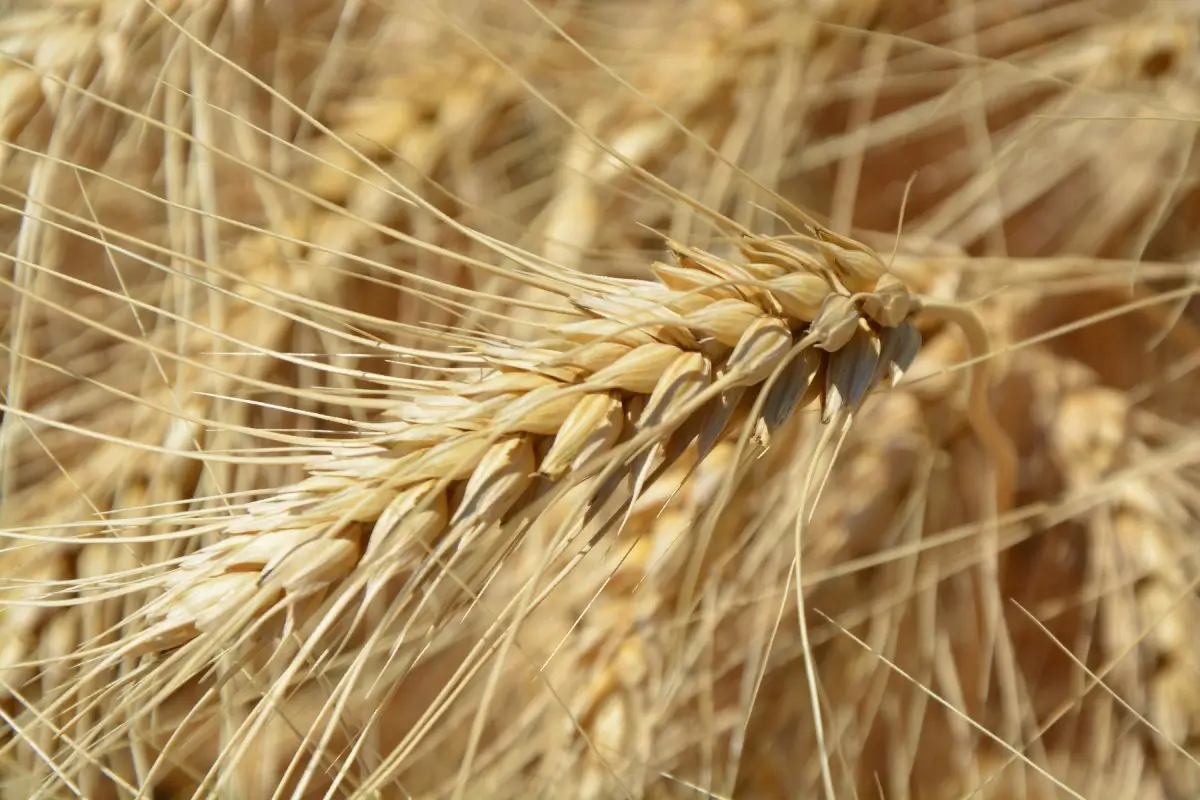
Managing diabetes means paying close attention to what you eat, and you might wonder if gluten should be on your avoid list. Gluten is a protein found in wheat, barley, and rye that helps bread rise and gives pasta its chewy texture. For most people with diabetes, gluten itself does not directly raise blood sugar or cause problems. However, many gluten-containing foods are also high in carbohydrates, which can affect blood glucose levels.
Understanding the difference between gluten and glucose helps you make informed choices about whether a gluten-free diet makes sense for your diabetes management.
Is Gluten Bad for Diabetes? Key Takeaways
- Gluten itself does not directly raise blood sugar, but the carbohydrates in gluten-containing foods do affect blood glucose levels.
- Only people diagnosed with celiac disease or gluten sensitivity need to follow a gluten-free diet, which applies to about 6% of people with type 1 diabetes.
- Gluten-free products are not automatically healthier and can contain more sugar, fewer nutrients, and higher carbohydrate content than regular versions.
- The key to managing diabetes is balancing your total carbohydrate intake rather than eliminating gluten, unless you have a medical reason to avoid it. Consider working with a diabetes dietitian to learn more about your condition.
Work with a diabetes dietitian
to achieve your nutrition goals!
Covered by most insurance plans.
Understanding Gluten and Its Role in Your Body
Gluten is a protein found in wheat, barley, and rye that gives bread its structure and pasta its chewy texture. Many people confuse gluten with glucose or think that gluten turns into sugar in the body, but this is not accurate. Gluten is a protein, while glucose is a simple sugar that comes from breaking down carbohydrates. When you eat foods containing gluten, your body breaks down the protein into amino acids, not sugar. Gluten is not necessarily harmful to people with diabetes, and most people will not need to follow a gluten-free diet.
The confusion about whether gluten raises blood sugar comes from the fact that many gluten-containing foods are also high in carbohydrates. Bread, pasta, crackers, and baked goods contain both gluten and carbohydrates. It is the carbohydrate content that affects your blood glucose levels, not the gluten protein itself. Wheat flours, which are commonly used in these foods, are often fortified with B vitamins and iron—important nutrients that may be lacking in some gluten-free alternatives.
The Connection Between Diabetes and Celiac Disease
Approximately 6% of people with type 1 diabetes also have celiac disease (coeliac disease), compared to just 1% of the general population. This connection was first discovered in the 1960s, and researchers believe there may be a genetic link between the two conditions.
Both type 1 diabetes and celiac disease are autoimmune diseases, and celiac disease is associated with other autoimmune disorders. People with type 1 diabetes have a higher incidence of celiac disease—it’s estimated that about 10% of people with type 1 diabetes have celiac disease too. Doctors will test people living with type 1 diabetes for celiac disease because of possible links between these autoimmune diseases. The American Diabetes Association recommends that people with type 1 diabetes should be screened for celiac disease at diagnosis, and again within two years and five years.
Because of this strong connection, many doctors recommend screening for celiac disease after a type 1 diabetes diagnosis. Most people who have both conditions experience asymptomatic celiac disease, meaning they have no obvious digestive symptoms. There is no established link between type 2 diabetes and celiac disease.
Does Gluten Affect Blood Sugar Levels?
The relationship between gluten and blood sugar is one of the most misunderstood aspects of diabetes nutrition. Here is what to know about how gluten can affect your blood sugar.
Gluten-free foods can still contain carbohydrates and calories, which can impact blood glucose levels and may contribute to weight gain if not monitored. Additionally, many gluten-containing foods, such as white bread and biscuits, also contain sugars and carbohydrates that can significantly impact blood sugar levels.
How Gluten-Containing Foods Impact Blood Glucose
Gluten itself does not spike blood sugar or increase blood glucose levels. The protein gluten has no direct effect on your blood sugar. What affects your blood sugar is the total amount of carbohydrates in the foods you eat, whether they contain gluten or not. A slice of bread raises your blood sugar because of its carbohydrate content, not because it contains gluten.
Understanding this difference is important for diabetes management. Your beliefs about food can also play a role in how your body responds. When you view certain foods as “bad” or feel fear around eating them, your body can trigger a stress response that increases cortisol levels and affects insulin resistance.
The Real Issue: Carbohydrate Content
For people with diabetes mellitus, the most important factor is total carbohydrate intake, not whether foods contain gluten. Whether you eat regular pasta or gluten-free pasta, your blood sugar will respond to the amount of carbohydrates in that serving. Some gluten-free alternatives made from lentils or chickpeas can actually be better choices because they are higher in fiber and protein, which helps slow down blood sugar spikes.
Is a Gluten-Free Diet Better for Diabetics?
So, is a gluten-free diet better for people with diabetes, if people with type 1 diabetes tend to have a higher chance of developing conditions like celiac disease? Here is when it makes sense to adopt a gluten-free diet and what to consider before making the decision if you don’t have a medical need.
When Gluten Free Makes Sense
A strict gluten-free diet is only necessary if you have been diagnosed with celiac disease or gluten intolerance. The symptoms of celiac disease can vary widely and may include digestive issues such as bloating, diarrhea, and abdominal pain, as well as fatigue and nutrient deficiencies. People with celiac disease must avoid gluten to prevent gastrointestinal symptoms and ensure their bodies can properly absorb nutrients. A gluten-free diet is crucial for individuals with co-occurring celiac disease or gluten sensitivity to improve symptoms and absorb nutrients.
Untreated celiac disease can actually increase the risk of hypoglycemia because the damaged small intestine cannot absorb sugars properly. Research also shows that starting a gluten-free diet early after a celiac disease diagnosis lowers the chances of developing additional autoimmune disorders.
The Downsides of Going Gluten Free Without Medical Need
Unless you have celiac disease or gluten sensitivity, eliminating gluten adds unnecessary restrictions to your diet. The gluten-free label does not mean a food is healthy or low in carbohydrates. Many gluten-free products come with several downsides:
- Gluten-free products are often highly processed with fewer nutrients
- Many contain high amounts of added sugars to improve taste and texture
- Gluten-free flour substitutes are frequently much higher in carbohydrate content than wheat flour
- It becomes challenging to consume enough fiber, vitamins, and minerals
- Many products have an increased glycemic index with more fat and less protein
- B vitamins and iron can be difficult to obtain since wheat flour is fortified by law, but some gluten-free flours are not
Understanding Gluten-Free Products and Blood Sugar
Gluten-free products are made from alternative grains and starches that still contain carbohydrates that affect blood glucose. Common ingredients include rice, potatoes, corn, quinoa, and sorghum. All of these contain carbohydrates that will raise your blood sugar just like wheat-based products do. In some cases, gluten-free versions can cause even bigger blood sugar spikes.
For example, a gluten-free granola bar might contain more sugar than a regular version because manufacturers add extra sweetness to compensate for texture changes. Tapioca starch, frequently used in gluten-free baked goods, is particularly high in carbohydrates and lacks fiber, protein, and essential vitamins.
However, not all gluten-free alternatives are high in carbohydrates. Products made from lentils, soybeans, or chickpeas can be higher in fiber and protein than traditional pasta. Other alternatives, like cauliflower pizza crust or almond flour products, are very low in carbohydrates, which requires careful attention to insulin dosing.
Best Foods for Managing Diabetes
Many foods are naturally gluten-free and can be included in a nutritious diet for people with diabetes. Common foods like fruits, vegetables, legumes, and certain grains are naturally gluten-free and support a balanced diet. Choosing nutritious foods and planning nutritious meals is important to meet dietary needs and support blood sugar management. Whole foods such as fruits, vegetables, lean meats, and naturally gluten-free grains are recommended for blood sugar management for diabetics.
If you’re trying to reduce gluten in your diet or go completely gluten-free, here are some food ideas to get you started.
Naturally Gluten-Free Options
Many whole foods that are naturally gluten-free provide excellent nutrition for diabetes management. These foods are better options than heavily processed gluten-free products:
- Fruits and vegetables of all kinds
- Legumes like lentils, black beans, and kidney beans
- Seeds and nuts, including chia, flax, almonds, and walnuts
- Fresh meats, lean meats, poultry, fish, and eggs
- Most low-fat dairy products
- Starchy foods such as rice and potatoes, which are gluten-free and can be included in a diabetes-friendly diet
- Gluten free grains like rice, quinoa, corn, buckwheat, and millet, which are surprisingly gluten-free and provide important options for those avoiding gluten
- Ancient grains such as buckwheat and millet
- Pasta alternatives made from lentils or chickpeas
- Vegetable-based noodles like zucchini spirals
Naturally gluten-free foods include fruits, vegetables, legumes, beans, seeds, nuts, meat, eggs, and most low-fat dairy products.
Making Smart Carbohydrate Choices
Focus on whole grains and unrefined complex carbohydrates to maximize health benefits while managing blood sugar. Whether eating gluten-containing or gluten-free foods, choosing less processed options with higher fiber content helps slow down glucose absorption. Always check nutrition labels for total carbohydrate counts rather than just looking for the gluten-free label.
It’s also important to read food labels carefully to identify added sugars, saturated fats, and overall nutrient content in gluten-free products. Maintaining a balanced diet with a variety of nutrient-rich foods and supplementing with vitamins as needed can help prevent deficiencies and support overall health when following a gluten-free diet.
Practical Tips for Managing Diabetes and Celiac Disease
If you have both diabetes and celiac disease, working with healthcare professionals makes managing both conditions much easier. A registered dietitian or provider with certified diabetes care credentials can provide personalized guidance on balancing your nutritional needs while avoiding gluten. The Celiac Disease Foundation offers resources and meal planning support for people managing both diabetes and celiac disease, including tips for creating a structured diabetes meal plan that helps maintain healthy blood glucose levels and addresses nutritional needs.
People with celiac disease must check all foods and medications for gluten, as some contain hidden gluten. Common sources of hidden gluten include salad dressings and soy sauce, so always check labels carefully and look for gluten-free alternatives. Meal planning allows you to meet your daily nutritional requirements while keeping your blood glucose in a healthy range.
Always keep gluten-free carbohydrates on hand for managing blood glucose, especially in situations where gluten-free options might be limited. Pack non-perishable items like gluten-free granola bars, protein bars, or crackers in your car or purse. Pay extra attention to your continuous glucose monitor or fingerstick readings when trying new gluten-free products since they may affect your blood sugar differently than expected.
When dining out, call ahead or use apps like FindMeGlutenFree to locate restaurants with dedicated gluten-free options. Many grocery stores now sell a wide variety of gluten-free products, and some cafes and restaurants are fully gluten-free. If you are very sensitive to gluten, ask about separate preparation areas to avoid cross-contamination.
Making Smart Choices for Your Diabetes
Whether gluten-free products are good for diabetics depends on your individual health needs and how your body responds to different foods. Most people with diabetes can eat gluten without problems unless they also have celiac disease or gluten sensitivity. The key is focusing on blood sugar management by monitoring total carbohydrate intake rather than eliminating gluten automatically. Work with a healthcare provider to determine if gluten affects your blood glucose levels, and remember that gluten-free products can sometimes contain more sugar and carbs than their regular counterparts. Your diabetes care plan should be based on what works best for your body and your goals.
If you want to start a gluten-free diet or reduce gluten but aren’t sure where to start, sign up to talk to a registered dietitian at no cost to you! A registered dietitian can help you take the first steps
Frequently Asked Questions About Gluten-Free Diets for Diabetics
Does Gluten Cause Blood Sugar Levels to Spike?
Gluten itself does not spike blood sugar because it is a protein. However, many gluten-containing foods are high in carbohydrates, and those carbohydrates do raise blood glucose levels. Whether a food spikes your blood sugar depends on its total carbohydrate content, not on whether it contains gluten.
What is the Difference Between Gluten and Glucose?
Gluten is a protein found in wheat, barley, and rye that gives bread its structure. Glucose is a simple sugar that your body uses as its main energy source. Your body gets glucose by breaking down carbohydrates from foods. While some gluten-containing foods also contain carbohydrates that break down into glucose, the gluten protein itself does not convert to glucose.
Are Gluten-Free Products Healthier For People With Diabetes?
Gluten-free products are not automatically healthier for people with diabetes. Many are highly processed and contain more sugar, fat, and carbohydrates than regular products. Manufacturers often add extra sugar and starches to improve taste and texture, which can cause bigger blood sugar spikes. The healthiest choices are naturally gluten-free whole foods like fruits, vegetables, legumes, and lean proteins.
Change your life with
help from a Registered
Dietitian
Get personalized nutrition plans that actually work. Our dietitians provide expert guidance for lasting results, NOT just another diet.
Get Started!