

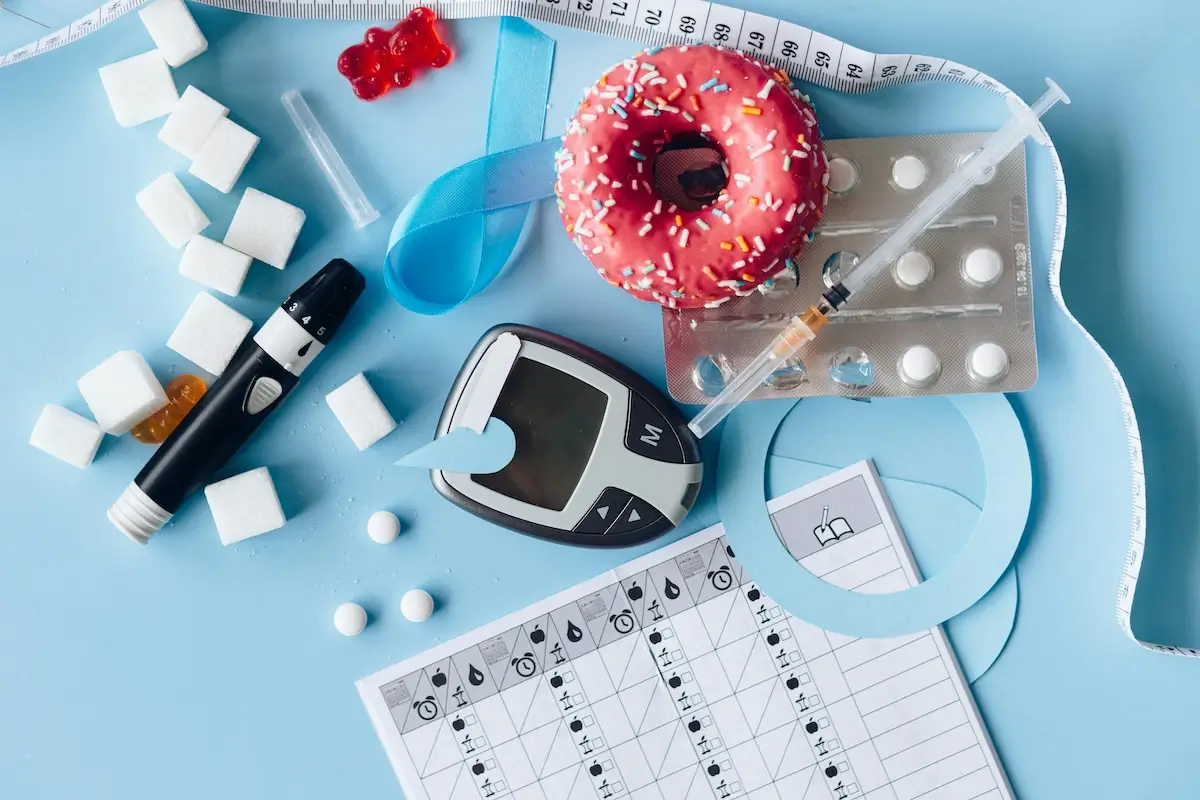
If you’re unfamiliar with diabetes mellitus, it may sound unlikely that rapid weight loss could be a cause of the disease. However, the two conditions are more related than you may think. While rapid weight loss does not actually cause diabetes, it can be a symptom of undiagnosed diabetes, creating the connection between the two.
If you’re concerned about rapid weight loss and what it may mean for your body, here is everything you need to know about unexplained weight loss and how it may affect a diabetes diagnosis.
Key Takeaways
- Rapid weight loss is defined as losing more than two pounds per week or more than 5% of body weight over six to twelve months.
- Unexplained or rapid weight loss can be an early warning sign of undiagnosed diabetes or other serious health conditions.
- Healthy lifestyle habits such as balanced eating, regular exercise, proper sleep, and hydration can improve diabetes management and overall health.
- Talking to a registered dietitian can be a good way to help you manage your diabetes and get the support you need.
What is Rapid Weight Loss?
Rapid weight loss is defined as weight loss of more than two pounds per week. It’s most often achieved through taking on a very-low-calorie diet, which may be recommended to some people for things like surgery preparation. However, rapid weight loss can also be defined as unexplained weight loss of more than 5% of your body weight over the course of six to twelve months.
Rapid weight loss can be dangerous, especially if it’s occurring unintentionally without the guidance of a healthcare provider. If you’re encountering unexplained weight loss, you should talk to your physician as soon as possible. Unexplained weight loss is a symptom of many serious illnesses, such as diabetes, Addison’s disease, Crohn’s disease, hyperthyroidism, and even various types of cancer.
Does Rapid Weight Loss Cause Diabetes?
No, rapid weight loss does not cause diabetes, but it’s a common misconception that it does. Rather, rapid weight loss can sometimes be a symptom of diabetes development, which is why they’re often confused.
When blood sugar levels become dangerously high, the body may burn fat and muscle for energy instead of glucose, leading to unintended weight loss. This is particularly common in undiagnosed Type 1 diabetes or advanced Type 2 diabetes. If you’re experiencing unexplained rapid weight loss alongside increased thirst, frequent urination, or fatigue, consult a healthcare provider promptly to rule out diabetes or other underlying conditions.
What Actually Causes Diabetes?
The cause of diabetes depends on the type of diabetes in question. There are three types someone can potentially have: type 1 diabetes, type 2 diabetes, and gestational diabetes.
Type 1 Diabetes
Type 1 diabetes is an autoimmune disorder where the body’s immune system attacks and destroys the insulin-producing cells in the pancreas. It’s common for type 1 diabetes to be found in families, and certain races (ex., black, Hispanic, Native American, and Asian American people) are at higher risk of having type 1 diabetes, though it isn’t currently known why.
Type 2 Diabetes
Type 2 diabetes develops when the body becomes resistant to insulin or doesn’t produce enough insulin on its own. Type 2 diabetes is more common in people who are overweight or obese, have a sedentary lifestyle, have a family history of type 2 diabetes, have polycystic ovary syndrome (PCOS), or are over the age of 35. However, there are other risk factors associated with type 2 diabetes.
Gestational Diabetes
Gestational diabetes exclusively occurs in people who are pregnant. It’s currently unknown what causes gestational diabetes, but it’s theorized that it has to do with the physical health and weight of the mother, with possible influence from family medical history. Most of the time, gestational diabetes resolves itself after the baby is born, but in some cases, it can become permanent type 2 diabetes.
Symptoms of Diabetes
Diabetes symptoms include:
- Increased thirst, which is caused by high blood sugar levels
- Frequent urination
- Extreme hunger despite eating regularly
- Unexplained weight loss
- Blurred vision or other vision changes
- Slow-healing wounds and infections
- Feeling tired or weak all the time, fatigue
- Numbness or tingling in the hands or feet
- Frequent infections
- Mood changes, such as irritability, depression, or anxiety
- Sweet-smelling breath or urine
If you’re experiencing any of these symptoms, especially multiple symptoms, you should consult your physician to get a test done. Diabetes testing is very easy to do and involves simple blood sugar readings before and after consuming a sugary drink. All three types of diabetes can be developed as an adult, so it’s important to be aware of the symptoms to catch it early. Regular screenings are even recommended for people over 45 who have a family history of diabetes, high blood pressure, high cholesterol, high body weight, or prediabetes.
Diabetes Treatment
Diabetes care will depend on the type of diabetes in question, but they have more similarities than differences.
Medications
The biggest area where treatment differs between type 1 and type 2 diabetes is in medications. Because type 1 diabetes is an autoimmune disorder, people with this type of diabetes can’t produce their own insulin, so medication for type 1 diabetes is simply supplying the body with insulin that it can’t produce on its own.
People with type 2 diabetes can still produce their own insulin, but they may have insulin resistance or can’t produce enough. In these cases, many different medications can be taken to help increase insulin sensitivity. These include options such as metformin, thiazolinediones, sulfonylureas, and GLP-1 receptor agonists, such as liraglutide, semaglutide, and tirzepatide.
5 Lifestyle Changes
In addition to medications, lifestyle changes are important for helping manage diabetes symptoms.
1. Eat a Balanced Diet
Focus on whole foods that support steady blood sugar, such as vegetables, fruits with a low glycemic index (GI), lean proteins, whole grains, nuts, and seeds. Try to limit processed foods, refined carbohydrates, and sugary drinks, which can cause blood sugar spikes and crashes.
2. Exercise Regularly
Exercise improves insulin sensitivity and helps the body use glucose more effectively. Aim for at least 150 minutes of moderate exercise per week, such as walking, swimming, or cycling. Resistance training two or three times per week can also support muscle growth and blood sugar control.
3. Get Good Sleep
Poor sleep can affect hormone balance and make blood sugar harder to control. Try to get 7 to 9 hours of quality sleep each night and maintain a consistent sleep schedule.
4. Avoid Intentional Rapid Weight Loss
While healthy weight management can improve diabetes outcomes, losing weight too quickly can strain your metabolism and lead to nutrient deficiencies. Aim for gradual, steady weight loss under the guidance of a healthcare provider or registered dietitian.
5. Stay Hydrated
Proper hydration helps your body regulate blood sugar levels and flush out excess glucose through urine. Aim to drink plenty of water and limit sugary beverages like pop or juice, which can cause blood sugar spikes. Herbal teas or sparkling water can also be great low-calorie alternatives to stay refreshed.
How to Lose Weight Safely
If you want to lose weight, it’s important to do so in a manner that supports your health rather than harms it. Weight loss can be dangerous if done too quickly, so limiting weight loss to one or two pounds a week is recommended. However, you may want to talk to your healthcare provider about a rate that would be healthy for you, especially if you have other health conditions that may increase the risk of harm.
When trying to lose weight, what you put into your body is the most important thing to consider. Choosing foods that are good for diabetes, like lean protein, whole grains, and fruits and vegetables, will help you lose weight faster than exercise alone. Following the five lifestyle changes that can help treat diabetes can also help you lose weight at a safe pace, so consider incorporating those changes into your life if your goal is weight loss.
A New Approach: How Mindset Rewiring Is Reversing Diabetes
At Dietitian Live, we’ve taken these principles beyond theory into measurable clinical outcomes. Through our patent-pending Quantum Mind Architecture™ (QMA) program, we merge medical nutrition therapy with subconscious rewiring: helping clients break free from fear-based beliefs about food and health so their bodies can naturally realign with wellness.
The results speak for themselves. In an independent analysis by Dr. Kamil Borkowski at UC Davis, our approach demonstrated unprecedented diabetes reversal rates: 81% of participants with pre-diabetes and 28% of those with Type 2 diabetes reversed their A1C to normal levels, without GLP-1 medications. Even more striking, participants who did not use GLP-1s improved their A1C 38% more than those who did.
This isn’t just about changing what you eat: it’s about transforming how you think. When clients shift from “I can’t lose weight” to “I am someone who nourishes my body,” their biology follows. The brain rewires, beliefs shift, and the body responds. As our data shows, when subconscious patterns change, metabolic markers change with them.
Ready to explore what’s possible for your health? Book your first session at no cost to you.
Frequently Asked Questions About Rapid Weight Loss & Diabetes
Can Losing Weight Cause Diabetes?
Losing weight cannot cause diabetes. However, unexplained weight loss can be a sign that you may have undiagnosed diabetes or another serious disease.
Why Does Diabetes Cause Weight Loss?
When the body can’t use glucose properly for energy due to insulin issues, it starts breaking down fat and muscle for fuel, which leads to unintentional weight loss.
Can Losing Weight Help Prevent Type 2 Diabetes?
Losing even a small amount of body weight can significantly improve insulin sensitivity and lower your risk of developing type 2 diabetes.
How Fast is Too Fast When it Comes to Losing Weight?
Losing more than two pounds per week consistently may be considered too fast and can lead to nutrient deficiencies, muscle loss, or metabolic slowdown.
Understand Diabetes and Unexpected Weight Loss
Rapid or unexplained weight loss can be a warning sign of an underlying health issue, including diabetes. While losing weight intentionally through healthy habits can lower your diabetes risk, unintentional or extreme weight loss should never be ignored. Understanding the connection between weight changes and blood sugar levels is essential for early detection, effective management, and long-term wellness.
If you’re looking to lose weight safely, it’s important to do it in a way that supports your metabolism and overall health. Sign up today to talk with a registered dietitian at no cost to you! They can help you create a personalized nutrition plan, set realistic goals, and make lasting lifestyle changes that promote healthy, steady weight loss.
