

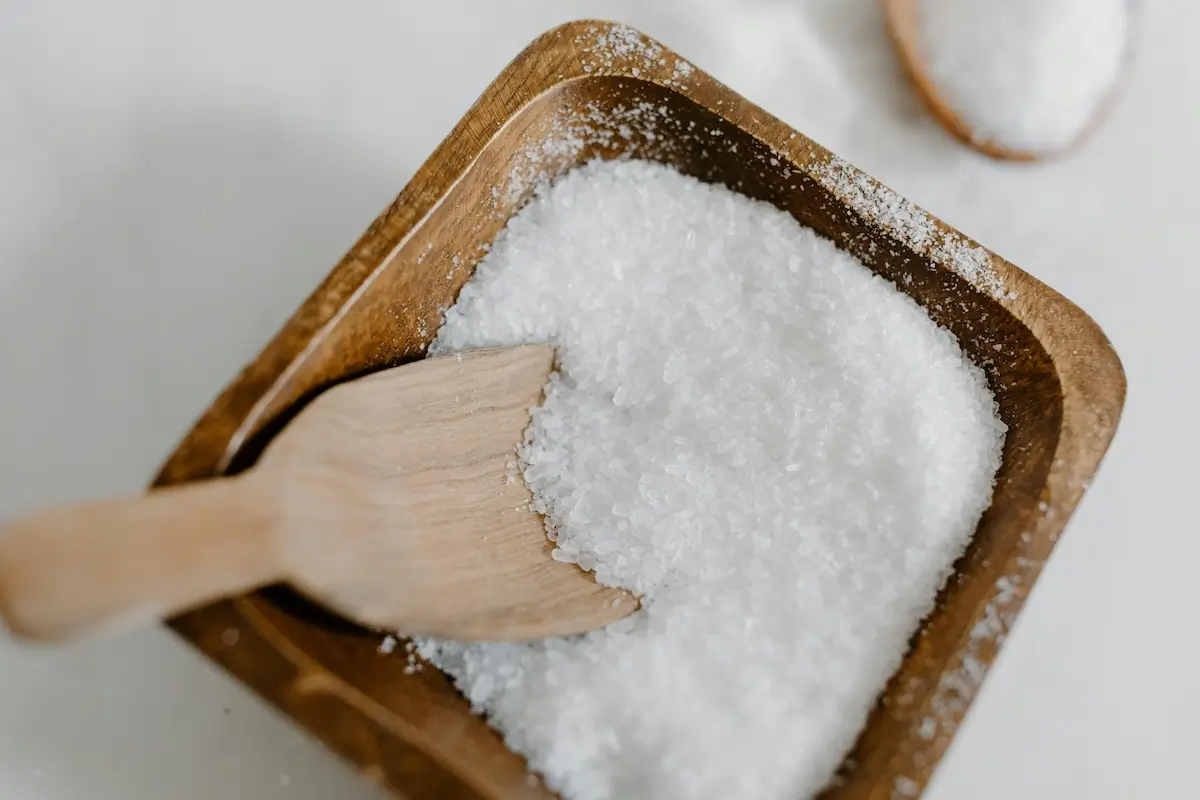
Eating healthy with diabetes doesn’t mean sacrificing flavor, especially when it comes to managing your sodium intake. A low-sodium diet can help manage blood pressure, reduce the risk of heart disease, and support better overall blood sugar control.
Since people with diabetes are more prone to complications from high sodium intake, making smart, flavorful substitutions is key. From savory dishes like lemon dill chicken and garlic hummus, to sweet treats like chocolate banana “nice” cream, these low-sodium diabetic recipes prove that nutritious meals can still be satisfying, simple, and delicious choices to help you manage your diabetes.
Key Takeaways
- Reducing sodium intake is especially important for people with diabetes, as high sodium can worsen complications like heart disease and kidney damage.
- Excess salt may increase insulin resistance, making it harder to manage blood glucose levels effectively.
- Low-sodium recipes can still be rich, flavorful, and satisfying when balanced with healthy fats, fiber, and lean proteins.
- Monitoring sodium helps protect cardiovascular health, which is especially important for individuals with diabetes.
How Sodium Intake Affects Diabetes
It’s common for people with diabetes to be cautioned about eating too much sodium in their diets. This is because high amounts of sodium can exacerbate problems associated with diabetes.
- Increased Insulin Resistance: Salt consumption can lead to increased insulin resistance, which leads to higher blood glucose levels.
- Elevated Blood Pressure: Salt is a major contributor to high blood pressure, which is a common complication of diabetes and can damage blood vessels and lead to an increased risk of cardiovascular disease.
- Worsening Diabetic Complications: Consuming too much salt can lead to worsening kidney disease or nerve damage, if that’s something you already deal with.
Ways to Reduce Sodium Intake
If you’re trying to reduce your sodium intake, here are some ways to cut out salt.
- Rinse canned goods to remove excess canning brine
- Choose low-sodium and no-sodium products when available
- Limit ultra-processed foods like frozen dinners, pre-packaged mixes, and canned soups that are preserved for particularly long shelf lives.
- Cook with fresh meats instead of preserved or cured meats, like deli meat, bacon, and sausage
- Cook at home, where you can control the amount of salt being added to the food, rather than eating out at restaurants, especially at fast food restaurants
- Try to utilize other herbs and seasonings for flavor rather than salt
9 Low-Sodium Recipes for Diabetics
These 10 diabetes-friendly recipes can be used for any meal of the day (or even as healthy snacks) and are balanced to help promote diabetes management.
1. Roasted Cauliflower
Ingredients
- 1/4 tsp black pepper
- 1/4 teaspoon salt (or a salt substitute like Mrs. Dash)
- 1 1/2 tbsp olive oil
- 1 tbsp rosemary, chopped
- 6 cups cauliflower florets
Instructions
- Preheat oven to 450° F.
- In a large bowl, toss cauliflower with all seasonings and olive oil until evenly coated. Spread on a large baking sheet in one layer.
- Roast for 15 minutes, remove and flip.
- Roast for another 10 minutes or until cauliflower is slightly browned.
2. Cinnamon Vanilla Overnight Oats
Ingredients
- 1 cup quick oats
- 1 tsp chia seeds
- 1/2 tsp cinnamon
- 1/2 tsp vanilla extract or flavoring
- 1 cup milk or milk substitute
- 1 small apple, diced (optional)
Instructions
- In a small bowl, combine oats, chia seeds, and cinnamon. Add milk or milk substitute, stir until combined.
- Place in two lidded containers and store in the refrigerator overnight.
- Top with diced apple (or another fruit) and serve.
3. Coconut Shrimp
Ingredients
- 1/4 unsweetened coconut flakes (optional: pulse in food processor if you prefer finer coconut)
- 1/4 cup panco breadcrumbs
- 1/2 tsp kosher salt
- 1/2 cup coconut milk
- 12 large shrimp, peeled and deveined
Instructions
- Preheat oven to 375° F.
- Place coconut, panko, and salt in a bowl and mix until combined.
- Dip each shrimp into the coconut milk, followed by the panko mixture, and coat evenly.
- Bake 10 to 15 minutes.
4. Avocado Toast
Ingredients
- 1/2 avocado, mashed
- Ground pepper
- Garlic powder
- 1 slice whole-wheat bread, toasted
- 1 egg, fried, poached, or soft-boiled
- Sriracha (optional)
Instructions
- Peel and prepare avocado. Mash with a fork and add ground black pepper and garlic powder to taste.
- Prepare egg in preferred method. If soft-boiled, remove shell after cooking.
- Spread avocado on freshly toasted bread, add egg on top. Optional, serve with Sriracha or any other condiments.
5. Vegetable Soup
Ingredients
- 2 tbsp olive oil
- 1 medium onion, chopped
- 2 medium carrots, chopped
- 2 stalks celery, chopped
- 12 oz fresh green beans, cut into half-inch pieces
- 2 cloves garlic minced (substitute 2 tsp garlic powder if unavailable)
- 8 cups salt-free chicken broth or low-sodium vegetable broth
- 2 15 oz cans cannellini beans, rinsed and drained
- 2 medium zucchini, chopped
- 4 Roma tomatoes, seeded and chopped
- 4 cups kale, chopped
- 2 tsp red wine vinegar
- 3/4 tsp salt
- 1/2 tsp ground pepper
- 8 tsp pesto
Instructions
- Heat oil in large pot on medium-high heat. Add onion, carrots, celery, green beans, and minced garlic. Cook, stirring frequently, until vegetables begin to soften (about 10 minutes).
- Add broth and bring to a boil. Reduce heat and simmer until the vegetables are soft, stirring occasionally.
- Add canned beans, kale, zucchini, and tomatoes. Cook until zucchini and kale are soft.
- Serve with a spoon of pesto.
6. Lemon and Dill Chicken
Ingredients
- 4 boneless, skinless chicken breasts
- Salt to taste
- Ground pepper to taste
- 3 tsp olive oil
- 1/4 cup onion, finely chopped
- 3 cloves garlic, minced
- 1 cup reduced-sodium or “no salt added” chicken broth
- 2 tsp flour
- 2 tbsp fresh dill, chopped
- 1 tbsp lemon juice
Instructions
- Season both sides of chicken breasts with salt and pepper to taste. Heat oil in a large pan on medium-high heat. Sear on both sides until browned, about 3 minutes per side. Transfer to a plate and cover with foil.
- Reduce heat to medium. Add additional 1 1/2 tsp oil to the pan with onion and garlic. Cook, stirring, for 1 minute. Whisk in broth, flour, dill, and lemon juice. Cook until slightly thickened.
- Return chicken and juices to hot pan and simmer until chicken is cooked through. Serve with sauce spooned on top.
7. Garlic Hummus
Ingredients
- 1 15 oz can low-sodium chickpeas, drained and rinsed (reserve 1/4 cup canning liquid)
- 1/4 cup tahini
- 1/4 cup olive oil
- 1/4 cup lemon juice
- 1 clove garlic
- 1 tsp ground cumin
- 1/2 tsp chili powder
- 1/2 teaspoon salt
Instructions
- Place chickpeas, saved canning liquid, tahini, olive oil, lemon juice, garlic, cumin, chili powder, and salt to a food processor.
- Puree until very smooth, 2 to 3 minutes.
- Serve with vegetables, pita bread, or your favorite dippers.
8. Garlic Butter Salmon
Ingredients
- 2 tbsp unsalted butter, melted
- 1 tbsp lemon juice
- 2 tsp grated garlic
- 1/4 tsp salt
- 1/4 tsp ground pepper
- 1 lb salmon fillet, scaled and de-skinned.
- 1 tbsp olive oil
Instructions
- Combine melted butter, lemon juice, garlic, salt, and pepper in a medium bowl. Add salmon and coat evenly. Let marinate at room temperature for 15 minutes.
- Heat pan over medium-high heat with oil. Place salmon fillets in pan, skin side down. Allow to cook roughly 3 to 4 minutes on each side.
9. Chocolate Banana Nice Cream
Ingredients
- 2 medium bananas, peeled, chopped, and frozen
- 1/3 cup milk
- 2 tbsp unsweetened cocoa powder
- 1 cup whipped topping
Instructions
- Add frozen bananas, milk, and cocoa powder to a blender or food processor. Blend until smooth.
- Transfer mixture to a bowl. Fold in whipped topping.
- Transfer to a freezer-safe container and freeze for at least 30 minutes or overnight for firmer ice cream.
- Serve.
Why Your Mindset Around “Diet Food” Matters
One challenge many people face when switching to low-sodium recipes is the mental hurdle—the assumption that healthier food means bland, boring, or unsatisfying meals. But this mindset can actually work against you.
Research from Yale University found that when participants believed they were eating an indulgent meal versus a “diet” option, their bodies produced different hormonal responses—even when the food was identical. In other words, approaching your low-sodium garlic butter salmon as deprivation may trigger a less satisfying response than savoring it as a flavorful choice you’re making for your health.
This is especially relevant for people with diabetes, where stress and negative associations with food can impact blood sugar regulation. The recipes above aren’t about restriction—they’re about discovering that meals like lemon dill chicken and chocolate banana nice cream can be both nourishing and genuinely enjoyable.
At Dietitian Live, our Registered Dietitians help clients move beyond the “diet food” mentality. Through our Quantum Mind Architecture™ program, we address the beliefs and thought patterns that shape your relationship with eating—because when your mindset shifts, sustainable habits follow naturally. In fact, our approach has helped clients with pre-diabetes and Type 2 diabetes achieve significant A1C improvements by transforming how they think about food, not just what they eat.
Want personalized support for your diabetes management? Book your first session at no cost to you.
Frequently Asked Questions About Low-Sodium Diets
How Much Sodium Should I Eat Each Day?
Most adults should aim for less than 2,300 mg of sodium per day, but people with diabetes or high blood pressure may benefit from even lower amounts, which is around 1,500 mg daily, depending on individual needs.
Are “Low-Sodium” and “Reduced-Sodium” Products Good for a Low-Sodium Diet?
They can be a good choice, but always check labels—these terms mean different things. The FDA regulates sodium claims, and understanding them can help you make better choices:
- Sodium-free: Less than 5 mg of sodium per serving
- Very low sodium: 35 mg or less per serving
- Low sodium: 140 mg or less per serving
- Reduced sodium: At least 25% less sodium than the regular version
- Light in sodium: At least 50% less sodium than the regular version
- No salt added / Unsalted: No salt added during processing (but the food may still contain naturally occurring sodium)
The key distinction: “reduced sodium” and “light in sodium” are relative to the original product, not a set amount. A reduced-sodium soy sauce, for example, may still contain over 500 mg per tablespoon. For the strictest sodium control, look for “low sodium,” “very low sodium,” or “sodium-free” options, which must meet specific limits regardless of the original product.
Does Drinking Water Help Flush Out Sodium?
Drinking water can help your kidneys process sodium, but it won’t offset a high-sodium diet. The best approach is to limit sodium intake through your food choices.
Can a Low-Sodium Diet Be Dangerous?
For most people, it’s safe and beneficial. However, athletes or individuals with certain medical conditions should talk to a healthcare provider before drastically reducing sodium.
Low-Sodium Recipes Can Be Delicious And Healthy
Managing diabetes while keeping your sodium intake low doesn’t have to be complicated or bland. With a few smart swaps and flavorful ingredients, you can enjoy delicious meals that support heart health and stable blood sugar levels. The key is learning how to balance nutrition without giving up the foods you love.
If you’re unsure where to start or want personalized guidance, consider talking to a Registered Dietitian. You can sign up today to speak with a dietitian at no cost to you and get expert advice tailored to your health goals and dietary needs.
