

Being newly diagnosed with diabetes can feel overwhelming. Whether you have type 1, type 2, gestational, or prediabetes, you might have a mix of emotions: confusion, fear, frustration, or uncertainty about what comes next. However, you don’t have to go it alone, and there are clear steps you can take to protect your health, feel better, and gain control over your diagnosis.
Small, intentional changes can lead to big improvements in your energy, blood sugar levels, and confidence in managing your diabetes. If you’ve recently been diagnosed with diabetes, here are eight steps to take.
Key Takeaways
- There are four different types of diabetes that require different lifestyle changes, so it’s important to understand your diagnosis.
- Lifestyle changes like eating a balanced diet and exercising daily are important for staying healthy while living with diabetes.
- Monitoring your blood sugar will help you understand your body’s patterns and needs.
- Working with a diabetes dietitian can help you take control of your blood sugar.
8 Steps to Take When Diagnosed With Diabetes
Learn the Basics of Your Diagnosis
Understanding your specific type of diabetes and what it means for your health is the first and most important step. There are four different types of diabetes, and they’re all a bit different from each other, so understanding the basics of your diabetes will help you make informed decisions.
Types of Diabetes
- Type 1 diabetes: An autoimmune condition that causes the pancreas to no longer create its own insulin. It’s often (but not always) a condition people are born with.
- Type 2 diabetes: A condition that develops when someone becomes resistant to insulin or their body’s insulin production is reduced.
- Gestational diabetes: Like diabetes, but it develops while someone is pregnant. It may go away after giving birth, or it may develop into type 2 diabetes.
- Prediabetes: The stage before developing diabetes that can often be reversed with lifestyle changes.
1. Meet With a Registered Dietitian or Diabetes Educator
If you’re new to having diabetes, one of the most helpful things you can do is talk to someone who’s an expert on the subject. A certified diabetes care and education specialist (CDCES) can guide you through the lifestyle changes that will be important for staying healthy and help you stay on track.
Likewise, talking with a registered dietitian can also be helpful when you’re figuring out how to plan meals around diabetes. It can be challenging to create balanced, nutritious meals when you have diabetes, especially if you aren’t yet sure what you can eat. A dietitian can help you come up with ideas and even provide motivation and moral support.
2. Start Monitoring Your Blood Sugar
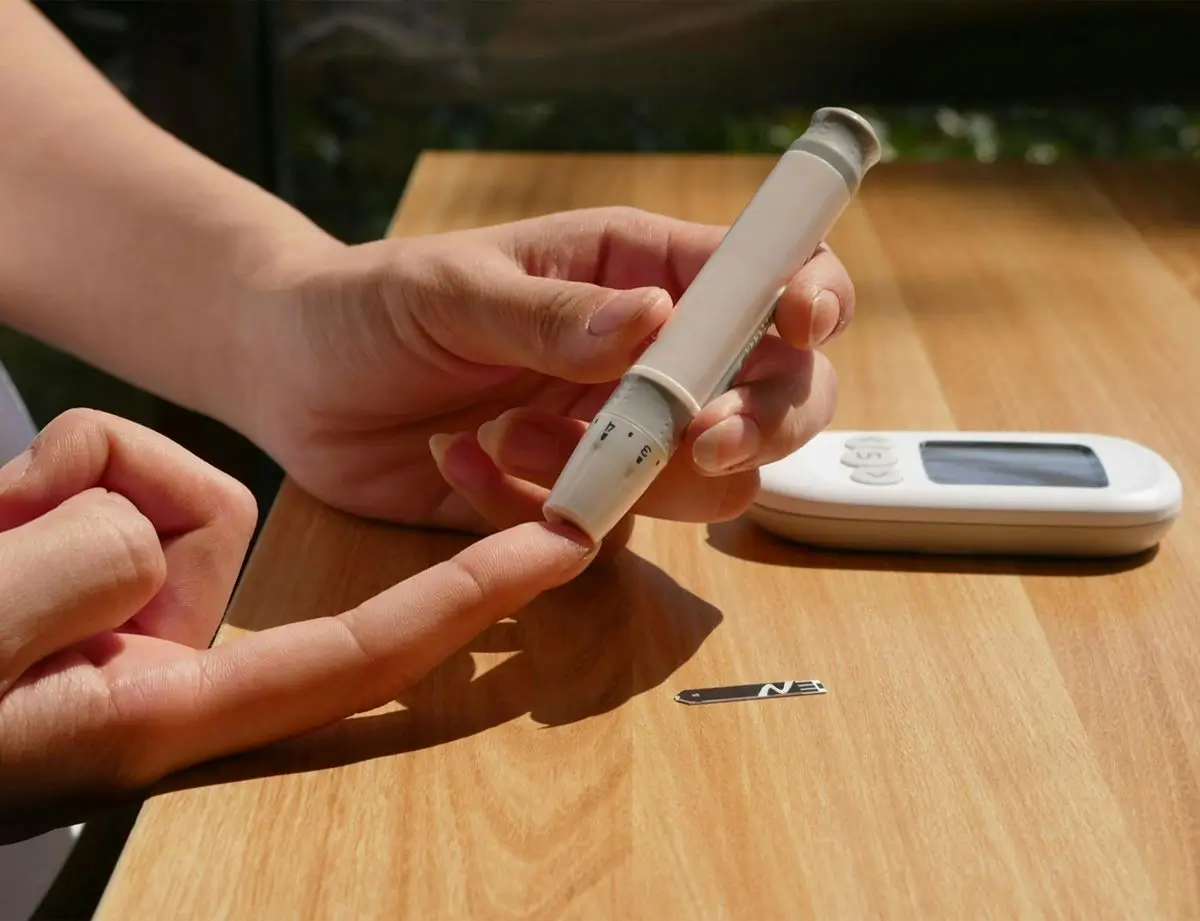
Tracking your blood sugar is essential if you have diabetes. Hyperglycemia (high blood sugar) and hypoglycemia (low blood sugar) can be dangerous and potentially even result in death, so it’s important to have the right tools for the job and monitor regularly.
There are two ways of measuring blood sugar at home: a blood glucose meter that requires finger pricks or a continuous glucose monitor (CGM) that is connected to your body.
Monitoring your blood sugar before and after meals will help you learn how different foods raise your blood sugar, helping you choose options that will help keep your blood sugar stable. Testing can also help catch unexpected highs and lows or show how exercise affects your blood sugar.
3. Make Small, Sustainable Diet Changes
A lot of people think being diagnosed with diabetes requires completely overhauling your entire diet, but that normally isn’t the case. While a diabetes diet can be restrictive, you can still eat nearly all the foods you used to before your diagnosis. The key is simply doing so responsibly and in moderation.
Here are some tips for creating a balanced diabetes diet:
- Include protein and fiber with every meal
- Limit the amount of starchy fruits and vegetables you eat
- Choose whole grains over refined grains
- Drink water and unsweetened beverages
- Add healthy fats like avocado, olive oil, and nuts
- Practice portion awareness
You can still enjoy sweets and sugary things, but it’s important to do so in moderation and by augmenting meals to incorporate protein and fiber to offset sugar from desserts.
4. Move Your Body Daily
Exercise is important no matter if you have diabetes or not, but it’s an especially important tool for people with diabetes because exercise can help improve insulin sensitivity. You don’t need to hit the gym for an hour every day to gain the benefits, either.
Here are some ideas for exercise:
- Taking a 10- to 15-minute walk
- Lifting dumbbells at home
- Stretching or yoga
- Swimming
- Dancing
- Cleaning or yard work
Consistency is the most important thing. Aim to do some sort of exercise every day, as it can help improve insulin sensitivity, lower blood sugar, boost energy, and support your overall health.
5. Take Medications as Prescribed
Many people with diabetes take medications to help manage their symptoms, and there are quite a few different medications on the market. If your doctor prescribed you something like metformin or a GLP-1 medication, make sure you take it as directed for the best possible results.
Some diabetes medications are oral and are required to be taken every day, while some medications may take the form of a weekly injection. If you have any concerns with your doctor about your ability to take a specific medication, be sure to bring it up with them. There are plenty of medications out there, and the best one for your needs may not be the most obvious choice.
6. Build a Support System
Support can take you a long way when you have diabetes. A strong support system can help you stay motivated, make you feel less lonely, and provide comfort. Consider telling your friends and family about your diagnosis, joining a diabetes support group, or reaching out to online diabetes communities.
Connecting with other diabetics is especially helpful when you’ve just been diagnosed, as diabetes veterans can help you get your footing by sharing tips and tricks, recipes, advice, and being able to understand what you’re going through because they also went through it. If you’re interested, you may also be able to find a support group for other people who are newly diagnosed with diabetes.
7. Schedule Follow-Up Appointments
Early follow-up visits with your doctor are extremely important in helping determine your treatment plan. You may also want to prioritize certain exams, as having diabetes can predispose you to other diseases down the line.
Here are some appointments you may want to prioritize for your health:
- Endocrinologist visits
- A1C testing (every 3 to 6 months)
- Eye exams
- Kidney screenings
- Food exams
- Dietitian appointments
8. The Most Important Step: Shifting How You Think About Your Diagnosis
Beyond the blood sugar checks and meal planning, there’s one factor that often determines whether someone thrives with diabetes or struggles: their mindset.
If you’ve just been diagnosed, you might be thinking “my life is over” or “I’ll never eat normally again.” These thoughts are understandable—but they’re also beliefs that can become self-fulfilling. Research in neuroplasticity shows that the brain rewires itself based on repeated thoughts, and those mental patterns directly influence your actions and even your body’s response to food.
At Dietitian Live, we help newly diagnosed clients address both the practical and mental sides of diabetes management. Through our Quantum Mind Architecture™ program, our dietitians are trained to help you shift from fear-based thinking to empowered action. The results speak for themselves: in an independent UC Davis analysis, 81% of participants with prediabetes reversed their A1C to normal levels.
A new diagnosis doesn’t have to define your future. With the right guidance, it can become the starting point for feeling better than you have in years.
Ready to take control from day one? Book your first session at no cost to you.
Diabetes Management FAQ (Frequently Asked Questions)
Is Diabetes Reversible?
Type 1 diabetes is not reversible. Type 2 diabetes can sometimes be put into remission with lifestyle changes, weight loss, and medication. Gestational diabetes is often cured after giving birth, but it can sometimes develop into type 2 diabetes. Prediabetes can often be reversed entirely.
Will I Need Insulin?
People with type 1 diabetes will always require insulin, but many people with type 2 diabetes can manage their diabetes with medications that help make their body more receptive to the insulin it already makes.
Do I Have to Stop Eating Carbs if I Have Diabetes?
Carbohydrates are an important part of a balanced diet, and the goal of developing a balanced diabetes diet is to understand which carbs work best for your body and how many it’s safe to eat at a time.
How Often Should I Check My Blood Sugar?
This answer depends on your diagnosis and treatment plan. Some people check once daily, while others check several times per day or use a continuous glucose monitor. Your doctor can tell you how often you should be checking your blood sugar.
Preparation is Key for Diabetes Management
Being diagnosed with diabetes may feel overwhelming, but it isn’t the end of the world. Diabetes is a manageable disease with a lot of resources to help you live your best life. With the right guidance, tools, and support, you can live a full, energetic, and healthy life with diabetes.
If you want personalized help getting started, consider signing up to talk with a registered dietitian at no cost to you! A professional can help you parse through all the confusing information and create a custom plan that will help you feel in control of your body.
