

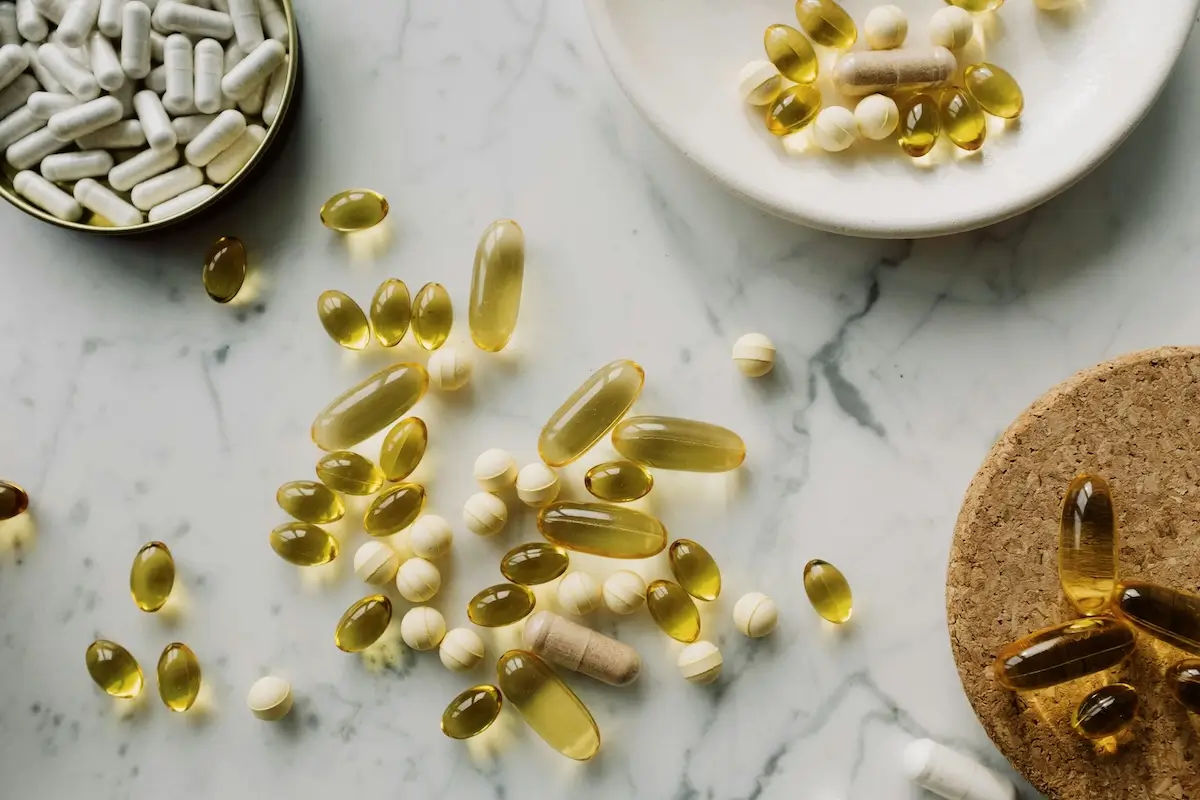
If you have diabetes, you’re already aware of all the different needs of your body and how to take care of your blood sugar. However, one thing you may not be familiar with is dietary supplements. It’s currently estimated that roughly 75% of American adults take some form of dietary supplement, according to the Food and Drug Administration.
However, some dietary supplements can have negative effects on your body if you have diabetes. Here is everything you should know about vitamins and dietary supplements to avoid if you have diabetes.
Key Takeaways
- Dietary supplements include vitamins, minerals, herbs, and enzymes that are meant to support nutrition, but they are not a substitute for a balanced, healthy diet.
- Not all supplements are safe for people with diabetes, as some can interfere with blood sugar control or interact with diabetes medications, potentially causing dangerous side effects.
- Supplements are not regulated as strictly as prescription drugs, meaning their potency, purity, and safety can vary widely between brands and products.
- Follow your doctor’s dosing recommendations carefully, as taking too much of a supplement can be just as harmful as taking too little.
- Work with a registered dietitian specialized in diabetes care to manage your symptoms effectively.
What is a Dietary Supplement?
A dietary supplement is a product that adds extra nutrients or other beneficial substances to your diet. These can include vitamins, minerals, herbs, amino acids, and enzymes, and they come in many forms, such as pills, capsules, powders, and liquids. Supplements are meant to support your overall nutrition, not replace healthy foods or a balanced diet. Whole foods, such as fruits, vegetables, and whole grains, provide a variety of macronutrients, vitamins, and minerals that are especially beneficial for people with diabetes. Whole grains are an important part of a healthy diet for people with diabetes, offering essential nutrients like magnesium and chromium and supporting blood sugar regulation.
While supplements can be helpful for filling nutritional gaps, it’s important to remember that they are not regulated as strictly as prescription medications. This means the strength, ingredients, and effectiveness can vary between brands. Choosing whole foods as your primary source of vitamins and minerals is generally recommended for optimal health benefits.
For people with diabetes, this can be especially concerning. Some supplements can interfere with blood sugar control or interact with diabetes medications, potentially leading to unsafe blood sugar levels. Certain medications can also interact with dietary supplements, making it even more important to consult a healthcare professional. That’s why it’s always best to talk with your doctor or a registered dietitian before adding any new supplement to your routine.
Why Supplements Can Be Dangerous For People With Diabetes
Diabetes management takes a lot of work. From checking blood sugar levels to eating a balanced diet to prevent blood sugar spikes, there are a lot of balls to juggle. Supplements may seem like an easy way to fill dietary gaps, but some can potentially have adverse effects, especially if you’re already taking diabetes medications like metformin or GLP-1s. Drug interactions between supplements and diabetes medications can lead to unpredictable or dangerous effects. Some supplements can also worsen diabetes complications, such as kidney disease, and should be used with caution. People with kidney disease need to be especially careful with supplements, as certain ingredients can further harm kidney function.
8 Supplements Diabetics Should Avoid
Some supplements can interact negatively with drugs you may already be taking for your diabetes or other conditions. In particular, there are five supplements that people with diabetes should be especially cautious about: Chromium, Niacin, St. John’s Wort, Ginseng, and high doses of Vitamin C. These supplements can interfere with blood sugar control or interact with diabetes medications. If you’re taking supplements, make sure to tell your doctor to ensure you’re on safe doses that won’t interfere with your medications.
1. Vitamin E
Vitamin E is known to help improve heart, eye, and brain health and can be found in a variety of foods, such as nuts, broccoli, and tomatoes. However, when taken in high doses, it can introduce an increased risk of problems such as stroke and prostate cancer.
While Vitamin E supplements may help lower fasting blood glucose levels, taking too much can potentially cause hypoglycemia (low blood sugar), especially if combined with diabetes medications that already help lower blood sugar.
People with diabetes who are taking blood thinning medications should exercise caution with vitamin E supplementation. Vitamin E can interact negatively with blood thinning medications, such as warfarin, and increase the risk of bleeding. While many people with cardiovascular disease (heart disease) take blood thinners to help prevent blood clots from forming in the heart, vitamin E can prevent the body from forming clots at all, leading to excessive bleeding. Vitamin E supplementation can increase the risk of bleeding in people with diabetes who use blood thinning medications.
Additionally, high-dose antioxidants like Vitamin E, Vitamin C, and Beta-carotene have shown little benefit in clinical trials and may pose additional risks.
2. Niacin (Vitamin B3)
Niacin, also known as vitamin B3, is commonly found in foods like beef and chicken, and it can be used to help lower cholesterol levels.
Some studies have found that 1,500 mg or higher daily doses of vitamin b3 can raise blood sugar levels, which can be dangerous for people with diabetes or even lead to developing diabetes for those who do not have it. Consuming excessive amounts of niacin can interfere with blood sugar regulation and may also interact with diabetes medications. For this reason, it can be dangerous to take niacin supplements without your doctor’s knowledge. And if you are taking niacin at your doctor’s recommendation, it’s important to be aware of the symptoms of high blood sugar.
3. Chromium
Chromium is a mineral found in foods like fruit juice, meats, and lettuce, and some people choose to take chromium supplementation because studies suggest that it may help improve insulin sensitivity and lower fasting blood sugar levels, though more research is still needed on the use of chromium supplements. However, chromium supplementation is of particular concern for people with kidney disease, as it can worsen kidney health.
Low blood sugar levels can be very dangerous for people with diabetes, so it’s important to be careful when taking these types of supplements. People with kidney disease should consult their doctor before considering chromium supplements, and only take supplements that lower blood sugar under the advice of your physician.
4. Ginseng
Ginseng is an herbal supplement and root commonly used in traditional medicine for thousands of years. New studies have suggested that ginseng can lower fasting blood glucose levels and hemoglobin A1C for people with type 2 diabetes. As with other herbal supplements, combining ginseng with diabetes medications that also lower blood sugar levels can potentially lead to hypoglycemia.
5. Ginger
Ginger is a delicious ingredient that’s popular in Asian cuisine and has been used in traditional medicines, much like ginseng. It’s most commonly used as a nausea treatment, but clinical trials suggest that it can also help lower blood sugar levels and A1C when taken in supplement form.
Consuming a ginger candy or a can of ginger ale for nausea wouldn’t be enough to cause any adverse reactions with your blood sugar levels, but taking concentrated supplements could lead to hypoglycemia. Additionally, some people may experience stomach discomfort, such as gas or bloating, when increasing their intake of fibrous supplements or foods, so it’s best to introduce these changes gradually and ensure adequate fluid intake.
6. Green Tea Extract
Green tea has been popular for thousands of years and has noted health benefits, such as antioxidants, improved cognitive function, lowering blood pressure, and helping with blood sugar control. Green tea extract, however, is a highly concentrated form of green tea, and it can potentially lower blood sugar levels significantly. Studies conducted on green tea extract have been limited in scope and duration, so more research is needed to fully understand its effects and safety. Combining green tea extract with popular diabetes medications can potentially lead to hypoglycemia.
7. St. John’s Wort
St. John’s wort is an herb that’s often used to improve mood and relieve mild depression. However, the herb is notorious for causing drug interactions, which can affect the metabolism and effectiveness of diabetes medications, most often by causing them to leave the body too quickly and reducing their effectiveness.
Some studies have specifically looked at type 2 diabetes medications like glipizide, thiazolidinediones, and dipeptidyl peptidase-4 inhibitors and found evidence that suggests St. John’s wort may make them less effective and lead to higher blood glucose levels. Additionally, St. John’s Wort may influence insulin secretion, but research results are mixed, and more studies are needed to fully understand its impact on diabetes management.
8. Aloe Vera
If you’ve ever had a sunburn, you know aloe vera, but skin-soothing gel is just one of its forms. Aloe vera also comes in oral forms, like pills and juice, which are intended to help with gut problems and inflammation.
Oral aloe vera may impact blood sugar levels, and some studies have even found evidence that it may lower blood sugar levels in people with prediabetes or lower A1C for people who already have type 2 diabetes. Aloe vera drinks may also have additional sugar in them, which can cause blood sugar spikes if you aren’t aware of it. If you’re unsure if it’s safe to take aloe vera supplements or drinks, talk to your healthcare provider about how to safely incorporate aloe into your diet.
9. Berberine
Berberine is an herbal supplement derived from several plants, including goldenseal, barberry, and Oregon grape. It has gained popularity as a supplement for blood sugar management, with some studies suggesting it may help lower fasting blood glucose and improve insulin sensitivity.
However, as with other herbal supplements, berberine can significantly lower blood sugar levels, which poses a risk of hypoglycemia when combined with diabetes medications like metformin, sulfonylureas, or insulin. The blood sugar-lowering effect can be unpredictable, making it difficult to manage your glucose levels safely.
Berberine is also known to interact with many medications beyond diabetes drugs. It can affect how the liver processes certain drugs, potentially increasing or decreasing their effectiveness. Additionally, berberine may cause gastrointestinal side effects such as cramping, diarrhea, and constipation. If you’re considering berberine or any herbal supplement, speak with your healthcare provider first to determine if it’s safe given your current medications and health status.
How to Take Dietary Supplements Safely
If you’re interested in taking supplements to fill a gap in your diet or because you feel it would be helpful for a condition you have, the first thing you should do is consult a healthcare professional, especially if you’re already taking prescription medications. Drug interactions between supplements and prescription medications can be dangerous, so professional guidance is essential. Dietary supplements can potentially affect multiple conditions, not just diabetes, so your healthcare professional can help determine if the supplement you’re interested in can cause unintentional harm. Supplements should never replace medical treatment for diabetes, and it’s important to remember that they are supportive rather than curative tools. Additionally, high doses of Vitamin C can interfere with continuous glucose monitors (CGMs), leading to false readings.
Dosing Your Supplements Safely
If your doctor determines that a supplement is safe for you to take and shouldn’t interfere with your current medications, they will recommend a specific dose for you to take. It’s important to follow the dosing recommendation, as taking too much can potentially be dangerous and lead to excess nutrients in your system, and taking too little may not give the desired results. Additionally, high dose vitamin supplementation—such as high dose vitamin C—can pose risks, including interference with blood glucose monitoring devices. Always exercise caution with supplement dosing, especially with concentrated forms or if you have specific health conditions or are taking medications.
Looking for Third-Party Tested Supplements
Since dietary supplements are not regulated by the FDA, it’s important to choose products that have been verified by independent testing organizations. Third-party testing confirms that a supplement contains the ingredients and amounts listed on its label, is free of harmful contaminants, and meets established quality standards. When shopping for supplements, look for certification seals from trusted organizations such as NSF International, USP (United States Pharmacopeia), Informed Choice, or ConsumerLab.
If you notice any negative changes in your body after starting a dietary supplement, you should tell your doctor immediately and follow any further instructions given.
Beyond Supplements: A New Approach to Diabetes Management
Managing diabetes is about more than just avoiding certain supplements—it’s about building a relationship with food and your body that supports lasting health. At Dietitian Live, we go beyond meal plans and macro counting. Our registered dietitians are trained in behavioral health and mindset work, helping you shift the beliefs and patterns that may be keeping you stuck.
Lifestyle changes—including regular physical activity and adequate sleep—are essential components of effective diabetes management. Alongside a nutritious diet, these habits help control blood sugar levels and support overall well-being.
The results speak for themselves: 81% of our clients with pre-diabetes have reversed their A1C to normal levels, and 28% of those with Type 2 diabetes have done the same—without relying on GLP-1 medications. This isn’t about restriction or willpower. It’s about rewiring how you think about food so that healthier choices become natural.
Whether you’re navigating supplement safety, blood sugar management, or the emotional side of living with diabetes, you deserve guidance that sees the whole picture.
Your first session is at no cost to you.
Book your free session today and discover what’s possible when you have a dietitian in your corner—every step of the way.
Frequently Asked Questions About Dietary Supplements
Can People With Diabetes Take Dietary Supplements?
Yes, but with caution. Some supplements may help support general health, while others can interfere with blood sugar control or diabetes medications. Always check with your doctor before starting any new supplement.
Are Natural Herbal Supplements Safer for Diabetes?
Not necessarily. Even though ginseng, ginger, or other herbal supplements can lower blood sugar levels too much when combined with diabetes medications. “Natural” doesn’t always mean “safe,” especially for people with diabetes.
Can Supplements Replace Diabetes Medicines or Insulin?
No. Supplements should never be used as a replacement for prescribed diabetes medications or insulin. They are meant to support your diet, not to treat or cure diabetes.
What are the Signs a Supplement May Be Affecting My Blood Sugar?
If you notice dizziness, shaking, sweating, confusion, or unusual fatigue, your blood sugar may be too low or too high. Stop the supplement and contact your healthcare provider right away.
Are There Supplements That May Benefit People With Diabetes?
Some supplements like magnesium, vitamin D, and omega-3 fatty acids may support overall health in people with diabetes, but the benefits vary. There is growing evidence from diabetes research supporting the beneficial effect of certain supplements, such as omega-3 fatty acids and probiotics, in improving blood sugar control and managing diabetes complications. Always use them under medical guidance.
Choose the Right Dietary Supplements For Your Diabetes Management
Managing diabetes can be challenging, especially when it comes to knowing which supplements are safe and which ones might interfere with your blood sugar or medications. While certain vitamins and minerals can support your overall health, others may do more harm than good if not used properly. Always read labels carefully, and never start a new supplement without checking with your healthcare provider.
It’s important to consult a healthcare professional before starting any supplement, as some dietary supplements and natural remedies can cause drug interactions with diabetes medications.
If you’re unsure which supplements are right for you, talking to a registered dietitian can make all the difference. Sign up today to speak with a registered dietitian at no cost to you and get personalized guidance on how to safely manage your nutrition and diabetes.
